
Traditional attendance systems were built around a single, simple question: is this person physically present at the workplace? Hybrid work breaks that question, because presence at the office is no longer the thing that actually needs verifying on most days. The real question hybrid teams need answered is different — is this person working, reachable, and accounted for — and most attendance tools weren't designed to answer it.
Why office-based check-in stops working
A badge swipe or office Wi-Fi check confirms office presence on office days and produces nothing meaningful on home days — not because the employee isn't working, but because the tool has no concept of a valid "not at the office" state. Teams that try to force office-based attendance systems into hybrid use end up with attendance records that are accurate for maybe half the week and blank or manually overridden for the rest, which defeats the purpose of tracking at all.
What hybrid attendance actually needs to capture
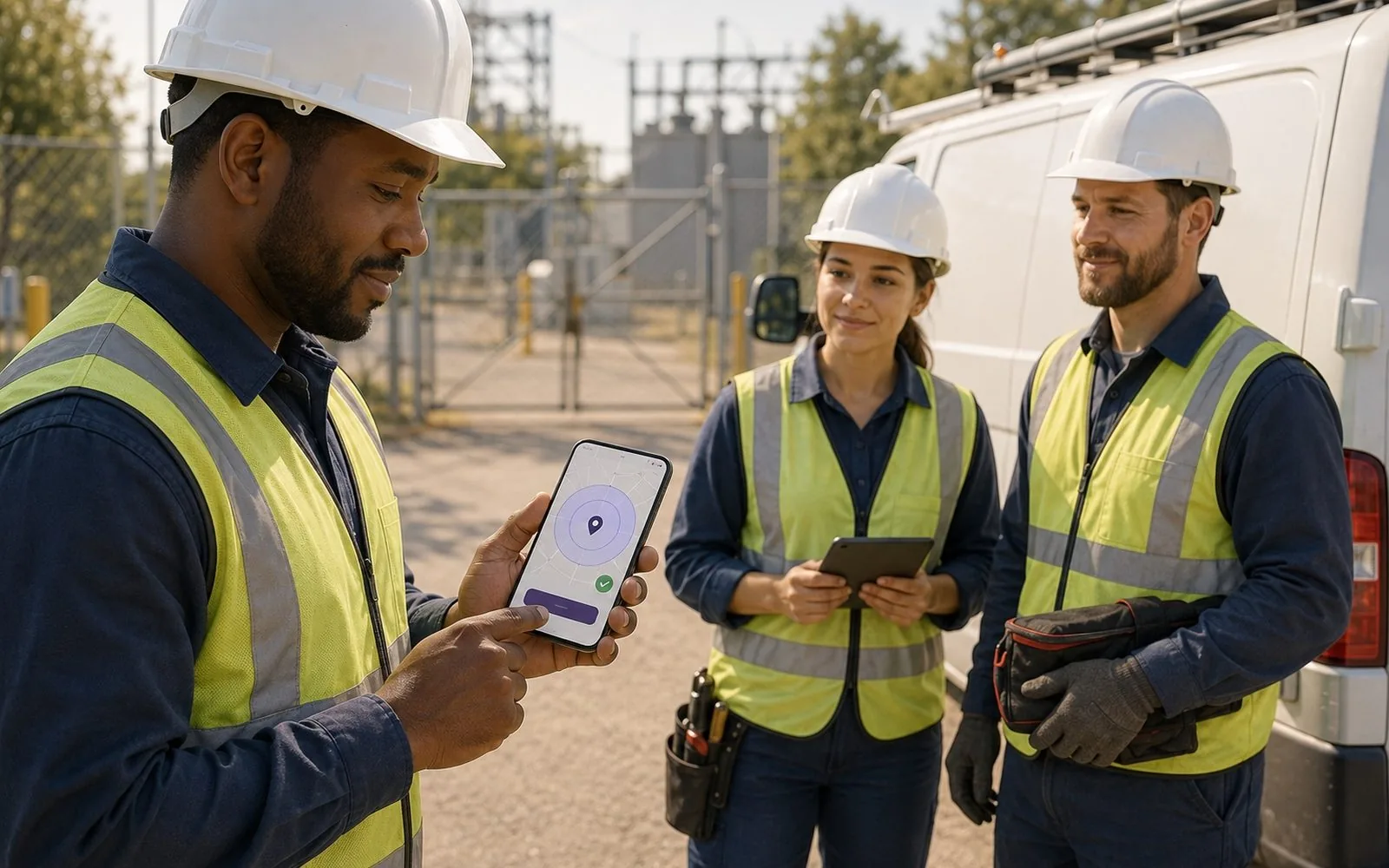
- Which day type applies — office, home, or field — so the system knows what "present" should even mean for that day, rather than applying an office-only definition everywhere.
- A lightweight check-in that works regardless of location, without requiring office Wi-Fi or a physical badge reader that simply doesn't exist at someone's kitchen table.
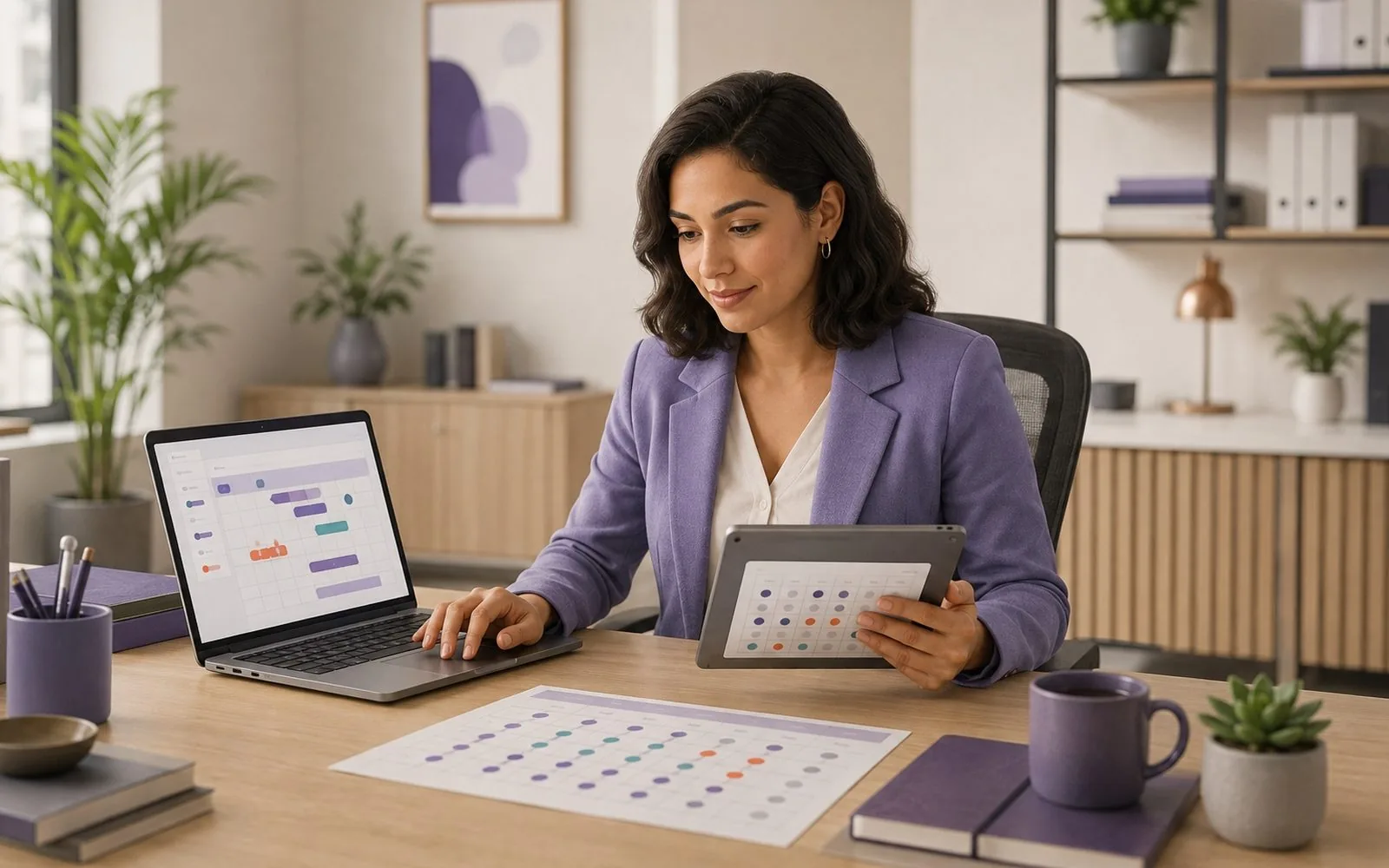
- Consistency across day types for anything downstream that depends on attendance data — payroll, leave balances, shift compliance — so a home day isn't a gap in the record just because it wasn't captured the same way an office day was.
The trust problem hybrid work surfaces
Attendance tracking on home days runs into a sharper version of a tension that exists everywhere: the difference between confirming someone is working and monitoring how they're working. A simple check-in at the start and end of a home working day answers a reasonable, limited question. Continuous activity monitoring — keystroke logging, webcam checks, screen recording — answers a much more invasive one, and tends to damage trust faster than it solves any real attendance problem. Most hybrid attendance issues don't actually require that level of scrutiny; they require a clear, low-friction way to mark a day type and confirm a start and end time.
Hybrid attendance problems are rarely about employees hiding — they're about a system with no honest way to record a day that isn't spent at a desk in the office.
Handling the edge cases that come up constantly
Hybrid schedules generate a specific set of recurring situations that a rigid attendance policy handles badly:
- A planned office day that shifts to home (a last-minute reason, a commute disruption) needs to be reclassified without a formal exception request every time — otherwise the exception process becomes the norm.
- A split day — morning at a client site, afternoon at home — needs to be recordable as one coherent record, not forced into a single day-type category that doesn't fit.
- Team visibility
Policy clarity matters more than tooling here
A lot of hybrid attendance friction traces back to unclear policy rather than a tooling gap — teams that haven't decided, in writing, how many home days are expected, whether they're fixed or flexible, and what "accounted for" actually requires on a home day. Attendance software can enforce a policy cleanly once it exists; it can't substitute for the decision itself, and trying to solve a policy gap with a stricter tracking configuration usually just makes the ambiguity more visible, not less.
See attendance that works across office, home, and field days
LaaynHR captures day type alongside check-in, so hybrid schedules produce one consistent attendance record instead of a patchwork.
The organisations managing hybrid attendance well aren't the ones with the strictest tracking — they're the ones with the clearest policy, supported by a system flexible enough to record reality without forcing every day into an office-shaped box.